Today, we will take a look at one of the most common problems, the world of low back pain – a common ailment that affects millions of people worldwide. Whether you’re dealing with acute discomfort or chronic pain, this guide is here to provide you with valuable insights and strategies for finding relief and improving your quality of life. It is important to note that whether this is the first time you are dealing with back pain that won’t go away or you have been dealing with it for decades, there is hope and you can get your life back.
Understanding Low Back Pain
Low back pain can be a formidable adversary, impacting your daily activities, work, and overall well-being. To effectively address it, let’s start by understanding its causes and triggers:
- Mechanical Factors: Poor posture, lifting heavy objects incorrectly, or sudden movements can strain the muscles and ligaments in your lower back.
- Age-Related Changes: As we age, wear and tear on the spine, such as degenerative disc disease (sounds scary, but does not have to be-click to learn more) or arthritis, can lead to low back pain.
- Injuries: Traumatic incidents, like falls or car accidents, can cause injuries to the spine, leading to pain.
- Medical Conditions: Conditions like herniated discs, sciatica, or spinal stenosis can result in chronic low back pain.
Signs and Symptoms
Symptoms vary widely as there may be many contributing factors. Recognizing the signs and symptoms of low back pain is crucial for early intervention. Common indicators include:
- Dull, aching pain in the lower back region.
- Pain that may be localized or radiate into the buttocks, hips, or thighs.
- Stiffness and reduced flexibility in the lower back.
- Muscle spasms in the lower back.
- Pain that worsens with certain movements, such as bending, lifting, or twisting.
- Difficulty in maintaining proper posture, especially when sitting or standing for prolonged periods.
- Weakness in the muscles of the lower back and core.
- Numbness or tingling in the legs (if nerve compression is involved).
- Pain that is aggravated by activities like walking, running, or prolonged sitting.
- Pain that interferes with daily activities and quality of life.
- Pain that may be intermittent or chronic, lasting for weeks or months.
When Should I Seek Professional Help For Low Back Pain?
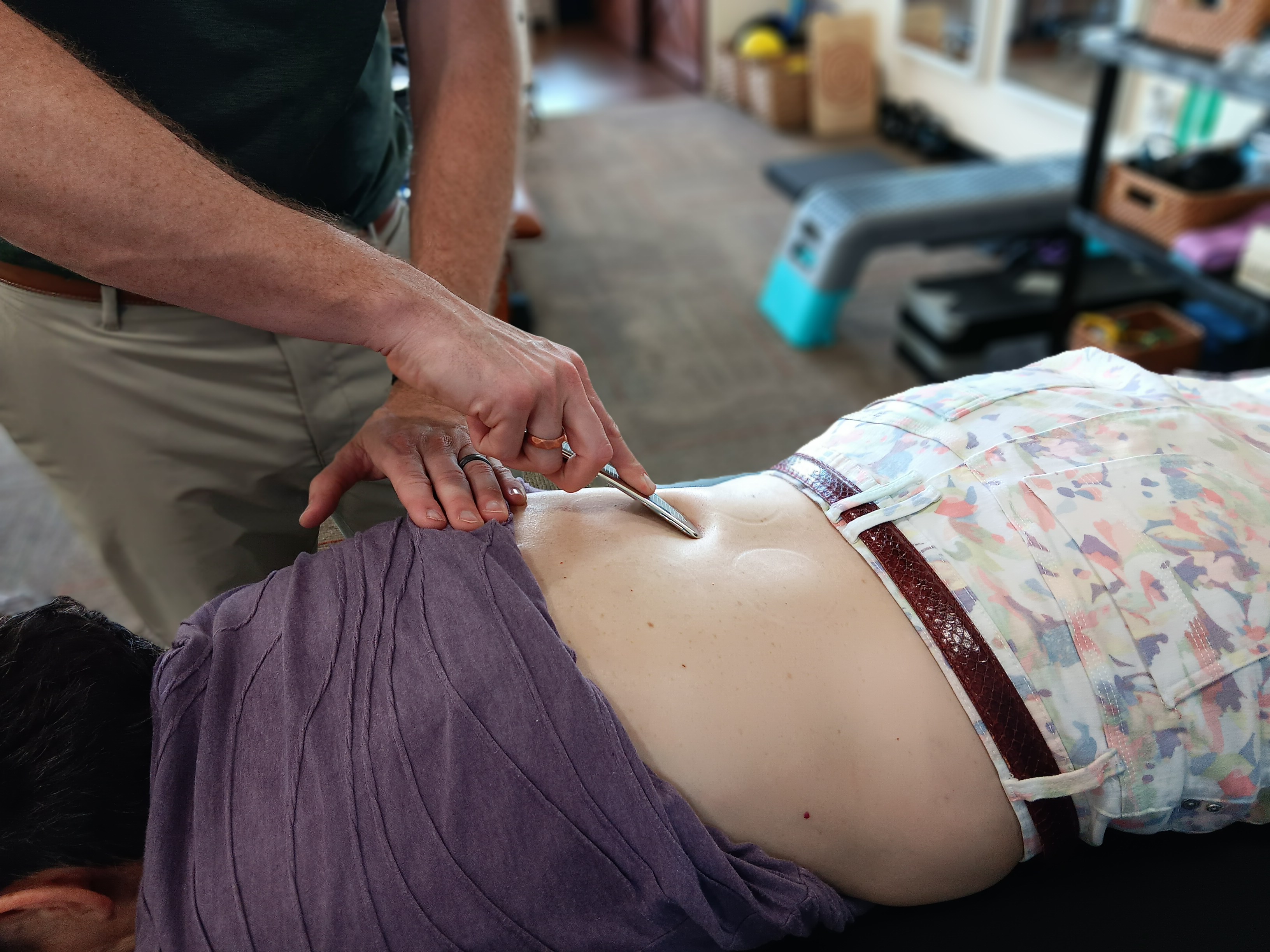
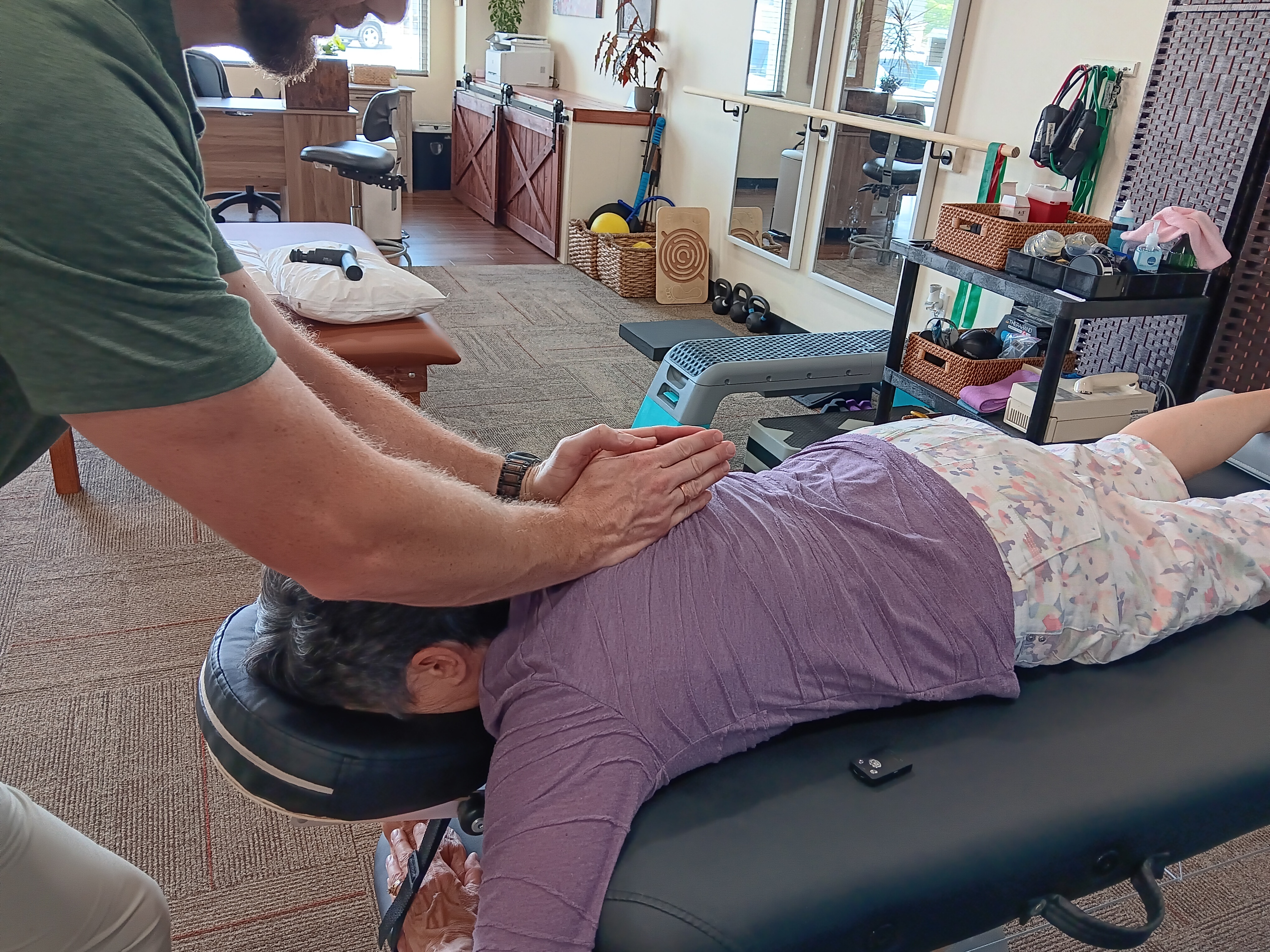
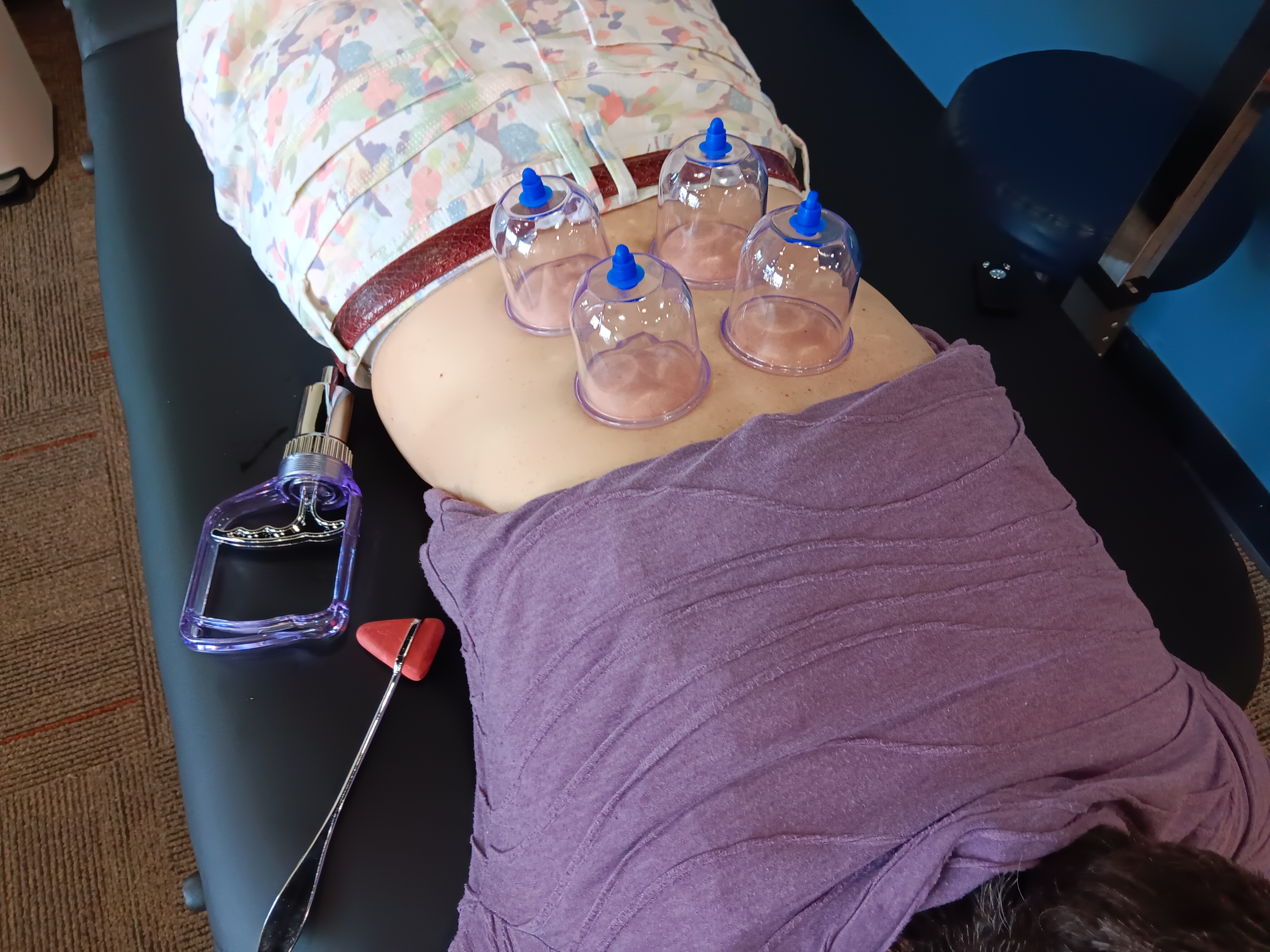
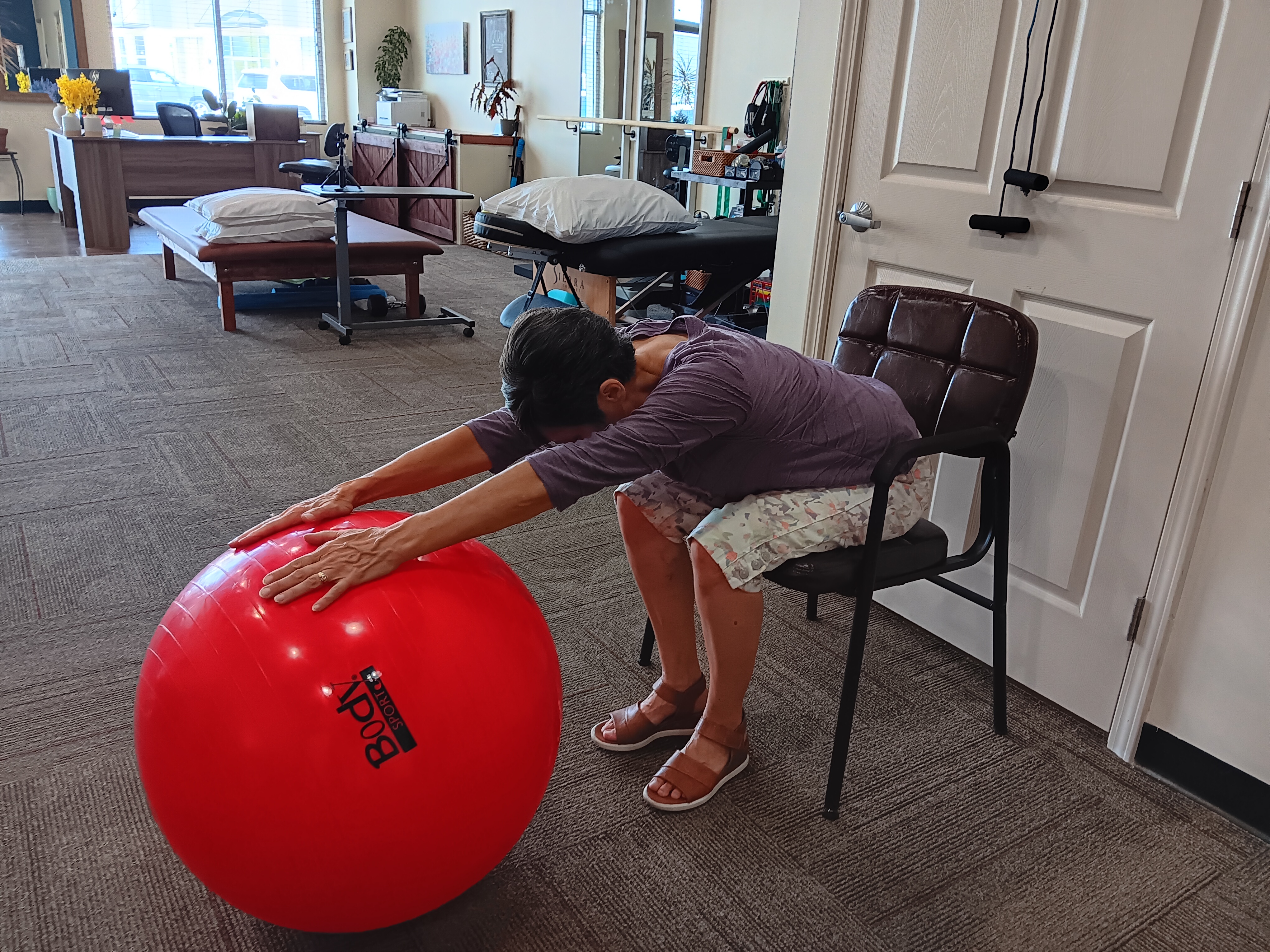
If you’re experiencing low back pain, it’s essential to consult a healthcare professional, such as a doctor of physical therapy. Since there may be many factors that can contribute to your low back pain, here at Salisbury Physical Therapy we will perform a thorough assessment to pinpoint the root causes of your pain and develop a personalized treatment plan. There are simple exercises and things you can do that may help provide relief but pin-pointing all the contributing factors is key to long term relief to keep you living your best life.
Physical Therapy – Low Back Pain Relief
Physical therapy is a highly effective approach to managing and alleviating low back pain. Here’s how it can benefit you:
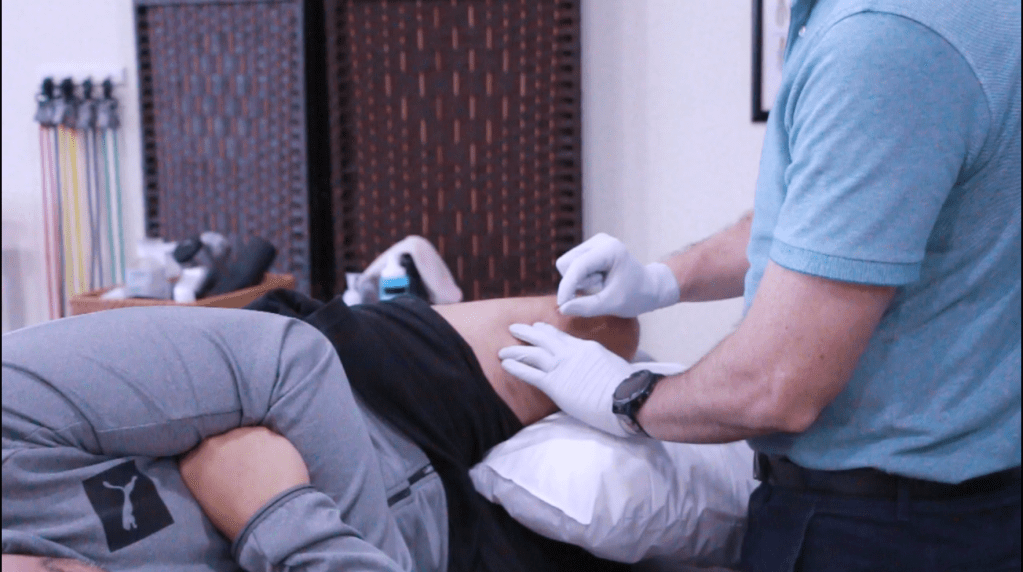
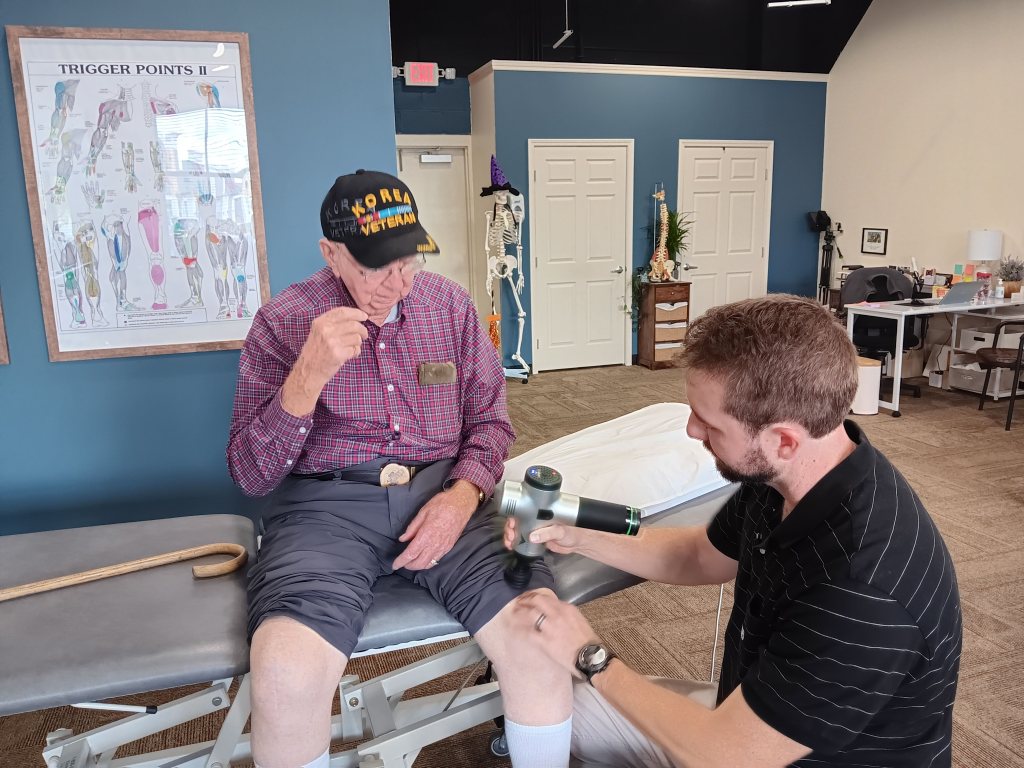
- Pain Relief: Physical therapists use various techniques, such as manual therapy and modalities, to reduce pain and inflammation.
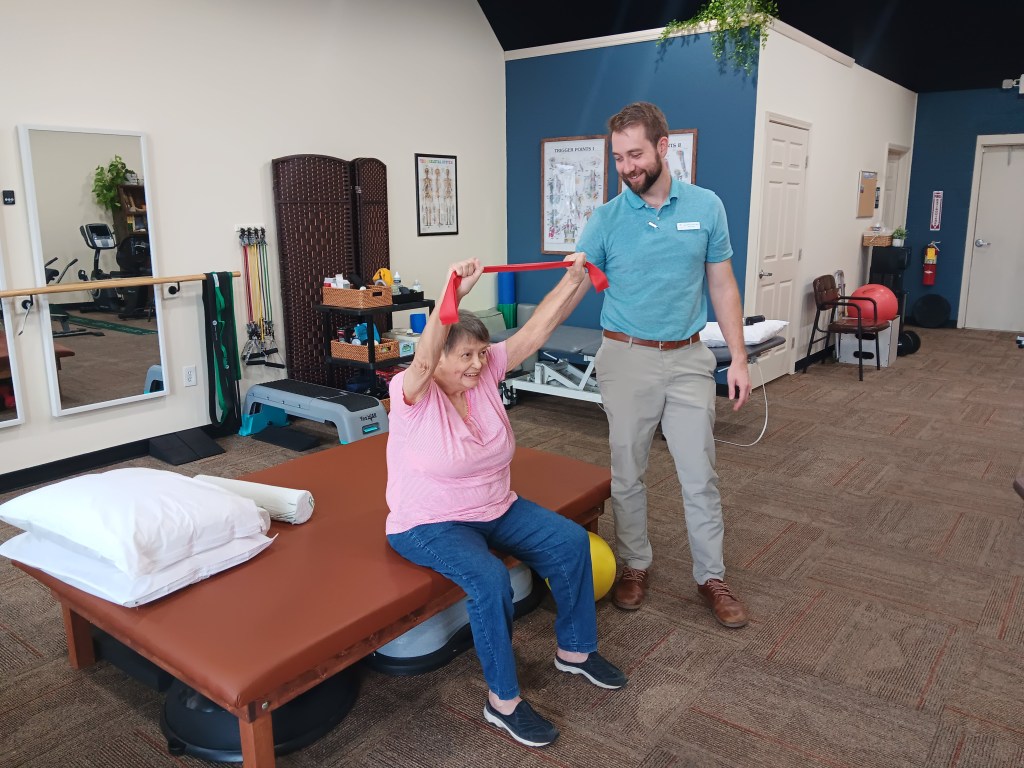
- Strengthening Exercises: Tailored exercise programs help strengthen the muscles supporting the spine, enhancing stability and reducing the risk of future injuries.
- Posture and Body Mechanics: Learning proper posture and body mechanics can prevent future instances of low back pain.
- Education: Physical therapists educate patients on self-management strategies, empowering them to take control of their pain.
Lifestyle Tips
In addition to physical therapy, certain lifestyle changes can contribute to long-term low back pain relief. Here are a few tips and tricks:
- Maintain a healthy weight to reduce strain on the spine.
- Engage in regular physical activity to keep your back muscles strong and flexible.
- Practice good ergonomics at work and home to protect your spine during daily activities.
- Prioritize sleep and adopt proper sleeping positions to promote spinal health.
- Manage stress, as it can exacerbate pain.
Conclusion
Low back pain doesn’t have to control your life. With the right approach, you can conquer it and enjoy a pain-free, active lifestyle. Remember, early intervention and professional guidance are key if you have just started experiencing issues; if you have been dealing with this for years, there is also hope! If you’re dealing with low back pain, don’t hesitate to contact us and take the first step toward a pain-free future. Your journey to relief and improved well-being starts now!

 Pain relief, Injury and TMJ Treatment : Physical Therapy Dallas, Acworth GA
Leave a comment