Introduction
Sciatic pain can be an excruciating and debilitating condition that affects millions of people worldwide. If you’ve ever experienced it, you know the agony it can bring, making even the simplest tasks seem impossible. But there’s hope! Salisbury Physical Therapy is here to guide you on your journey to recovery, so you can regain control of your life and enjoy the activities you love once again. In this blog, we’ll explore what sciatica is, discuss its impact on daily living, and share effective ways to relieve the pain with the help of our expert team.
Understanding Sciatica
Sciatica is not a condition in itself but a symptom of an underlying problem. There can be several factors that can cause this pain from the back/hip region and down to the leg. One of the causes is when the sciatic nerve, which runs from your lower back down through your hips, buttocks, and legs, becomes irritated or compressed. This irritation can result from various causes, such as herniated discs, spinal stenosis, or even muscle spasms. Sometimes the muscles in the low back and the buttocks or “glute” muscles can have trigger points or muscles knots that can also cause this referring or radiation symptoms.
Symptoms of sciatica typically include:
- Sharp, shooting pain that radiates from the lower back down one leg.
- Numbness or tingling sensations in the leg or foot.
- Muscle weakness in the affected leg.
- Difficulty sitting, standing, or walking for extended periods.
The Impact on Daily Life
Sciatic pain can be overwhelming, affecting every aspect of your life. It can hinder your ability to perform daily tasks, disrupt your sleep, and even rob you of the joy of participating in your favorite activities. Simple activities like walking, sitting, or bending over can become agonizing experiences, making it feel like life has come to a standstill.
Relieving Sciatic Pain
Relief from sciatic pain often begins with conservative approaches, which can be highly effective. Here are some strategies to get you started and help you find some relief:
- Hot and Cold Therapy: A common question I get is should I use ice or heat. In this case alternating between hot and cold packs can alleviate symptoms to some degree. For inflammation, if it really feels flared up and aggravated, use ice. Earlier on this is the recommended. Heat can relax the muscles and ease the symptoms from the muscle knots and tension that could possibly be irritating the nerves or symptoms.
- Medication: Over-the-counter anti-inflammatories may help alleviate symptoms but in some cases prescription medications may be necessary to manage pain and reduce inflammation. You will need to speak with your medical doctor to see if this is appropriate for you.
- Ergonomic Adjustments: Proper ergonomics at work and home can ease sciatic pain. Ensure your workspace and furniture are adjusted to support your spine’s natural alignment.
- Posture Correction: Maintaining good posture can significantly reduce sciatic pain. Be mindful of your posture when sitting and standing, and consider using lumbar support. In the case of the sciatic pain find a more comfortable position that alleviate the symptoms and avoid ones that seem to aggravate. In some cases it may be difficult to find any position that provide relief.
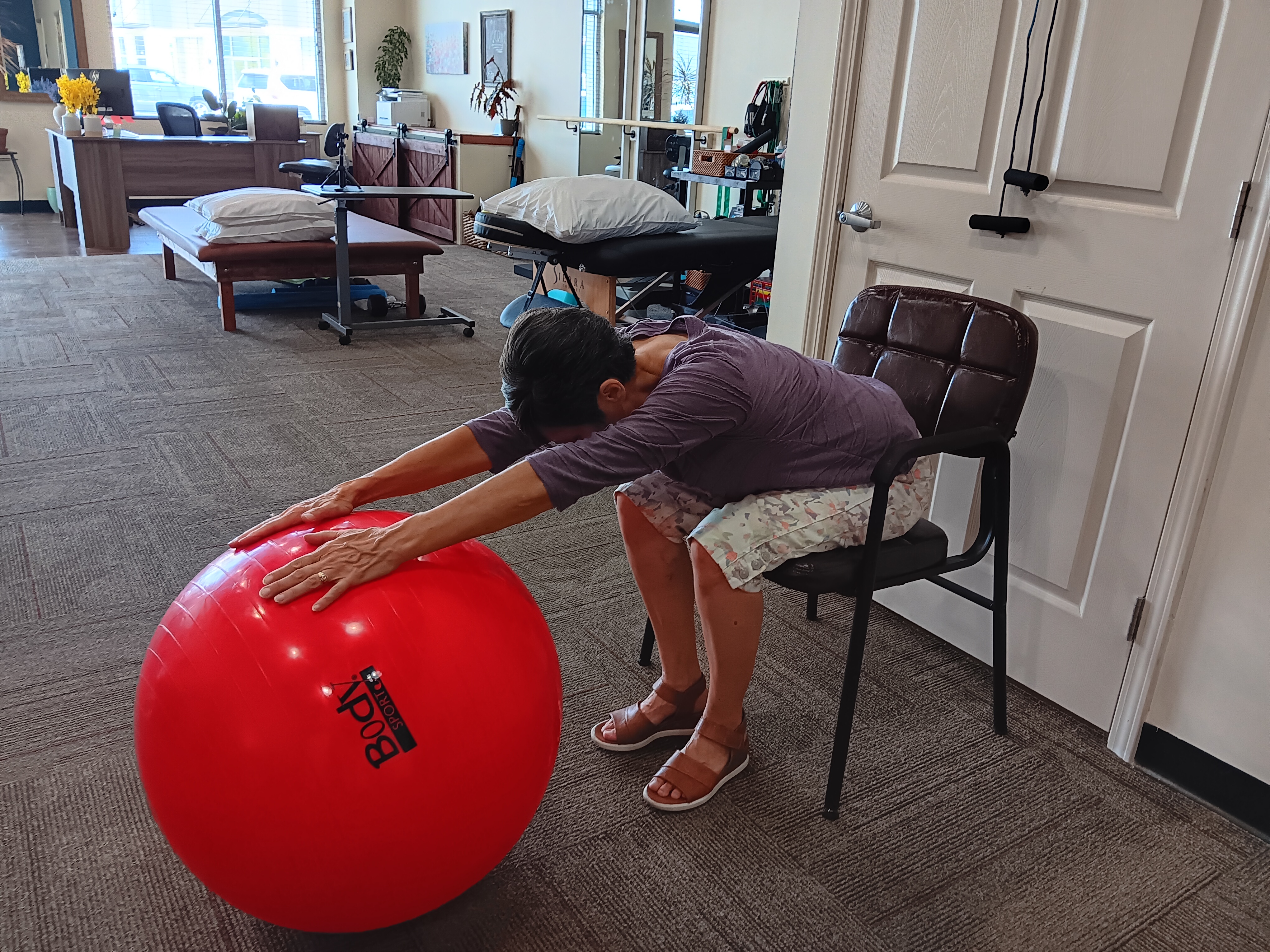
- Gentle Stretching: Specific stretching exercises can alleviate sciatic pain by targeting the affected area and promoting flexibility. Click here to explore some simple back and hip stretches. When performing any stretch stop if you feel the symptoms getting worse.
How Salisbury Physical Therapy Can Help
The above suggestions can help get you started, sometimes you may need further guidiance to more fully overcome your pain since there can be several factors that are causing your symptoms to no go away. Salisbury Physical Therapy is your partner in overcoming sciatic pain and reclaiming your life. We will assess your condition, identify the specific underlying causes, and create a personalized treatment plan tailored to your needs. Our comprehensive approach may include:
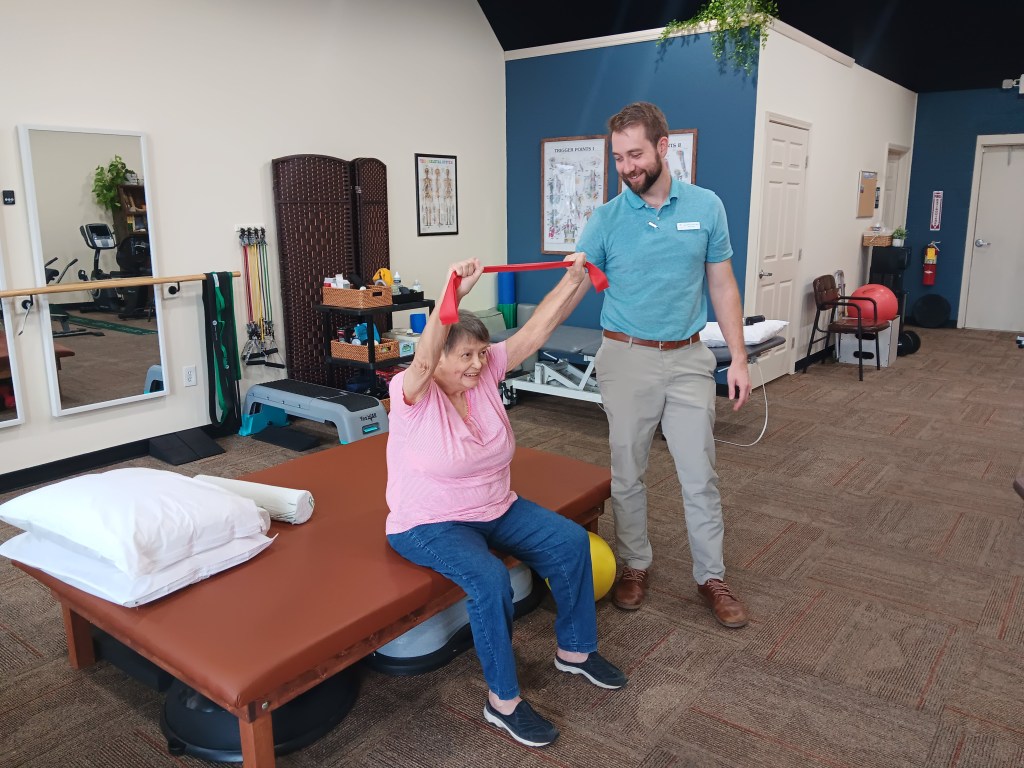
- Targeted exercises to strengthen the muscles supporting your spine and alleviate pressure on the sciatic nerve.
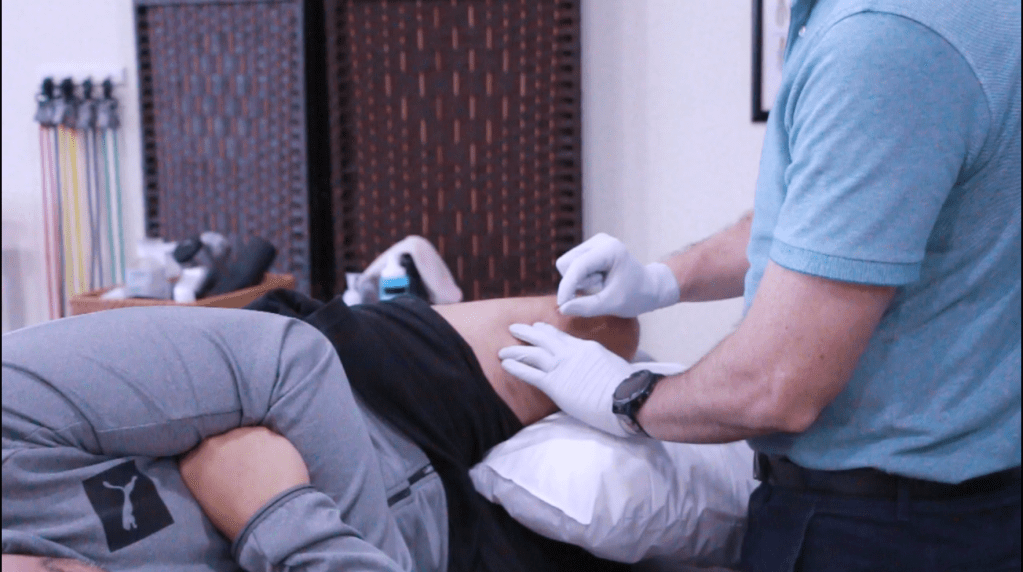
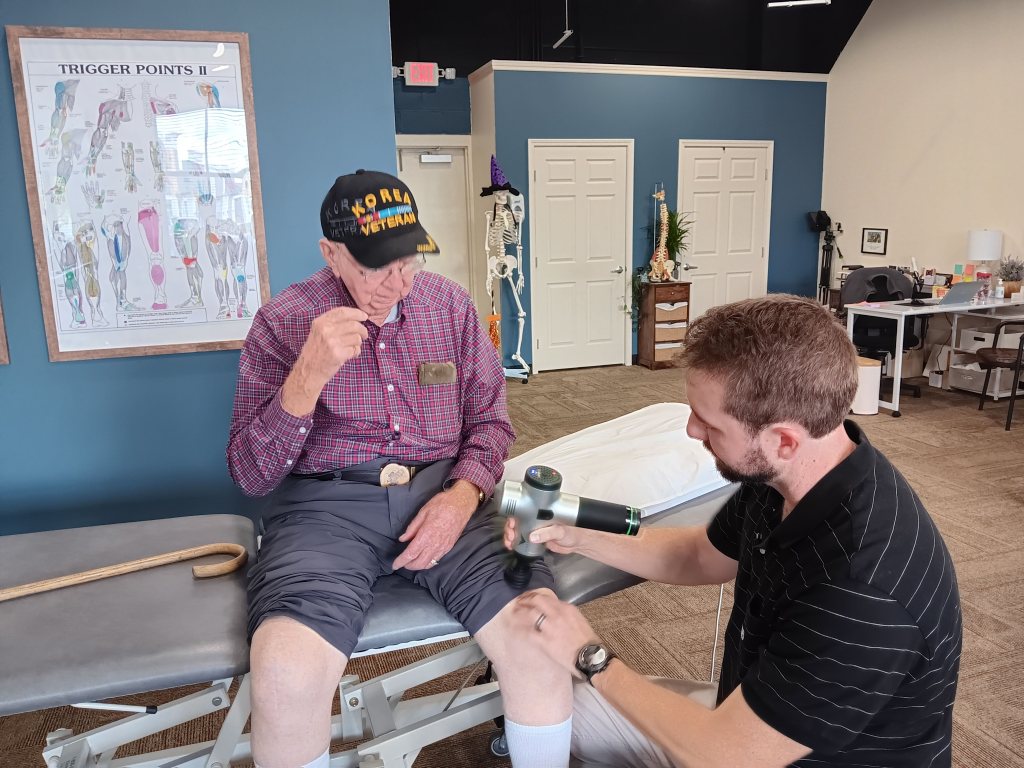
- Manual therapy to improve joint mobility and reduce muscle tension.
- Education on proper body mechanics and posture for your specific activities you need to do to prevent future sciatic pain episodes.
- Temporary lifestyle modifications to support your recovery and overall well-being.
Conclusion
Sciatic pain can be a formidable adversary, but with the right guidance and care, you can overcome it. Salisbury Physical Therapy is committed to helping you find relief from sciatica and regain your ability to enjoy the activities you love. Don’t let sciatic pain control your life—take the first step toward recovery today, and let us help you get back to living your life to the fullest. Contact us to schedule your consultation and embark on a journey to a pain-free future.


 Pain relief, Injury and TMJ Treatment : Physical Therapy Dallas, Acworth GA
Leave a comment