
Introduction
Medicare, the federal health insurance program for Americans aged 65 and older, provides crucial coverage for a wide range of healthcare services, including physical therapy. As we age, our bodies may require additional care and support to maintain optimal function and quality of life. Physical therapy is a valuable resource for seniors, helping them regain mobility, reduce pain, and enhance their overall well-being. Let explore the benefits of physical therapy for Medicare patients, how to access these services, and what you can expect from your visits to a physical therapy office.
Understanding Medicare Coverage for Physical Therapy
Medicare offers coverage for physical therapy services under specific conditions. To qualify for Medicare coverage for physical therapy, you must meet certain criteria:
- Medically Necessary: Your physical therapy treatment must be considered medically necessary to improve or maintain your health. This means that it should address a specific medical condition, injury, or rehabilitation goal.
- Prescribed by a Physician: A qualified healthcare professional, such as your primary care physician or specialist, must prescribe physical therapy for you. This prescription helps determine the frequency and duration of your treatment.
- See the Physical Therapist First: Medicare allows you to see a physical therapist for an evaluation without a doctor’s referral. If the therapist deems it necessary, they’ll create a care plan that requires a physician’s approval before treatment. Your physician may need to see you for approval, depending on your specific condition, or approve the plan if they’re already familiar with your health issues. Click Here to Find out More.
- In-Network Providers: It’s important to choose a physical therapy office that participates in the Medicare program. This ensures that your treatments are covered by your insurance plan.
- Annual Deductible: Like many healthcare services, Medicare may require you to meet an annual deductible before covering physical therapy costs.
- Therapy Cap: In the past, there was a cap on Medicare coverage for physical therapy and occupational therapy combined. However, as of 2021, this cap has been lifted, allowing eligible beneficiaries to access therapy services without a specific limit.
- Review Process: For long-term or extensive physical therapy needs, your provider may need to submit documentation to Medicare for review and approval to continue coverage.
Benefits of Physical Therapy for Medicare Patients
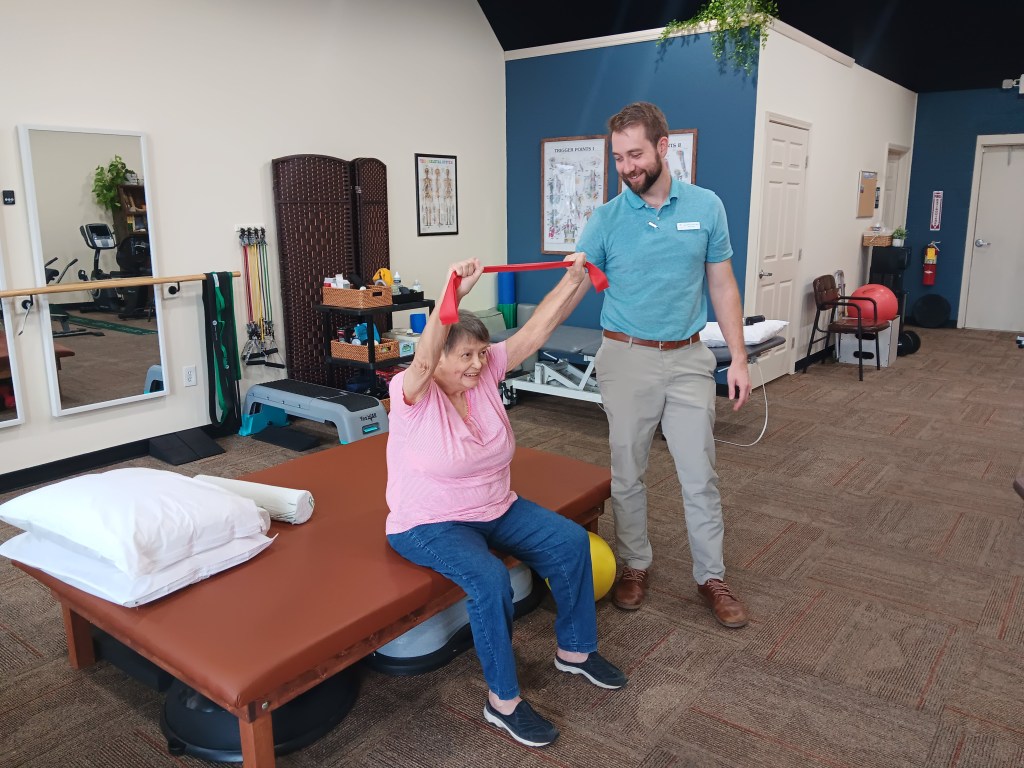
- Improved Mobility: Physical therapy can help seniors regain strength, flexibility, and balance, making it easier to perform everyday activities and reduce the risk of falls.
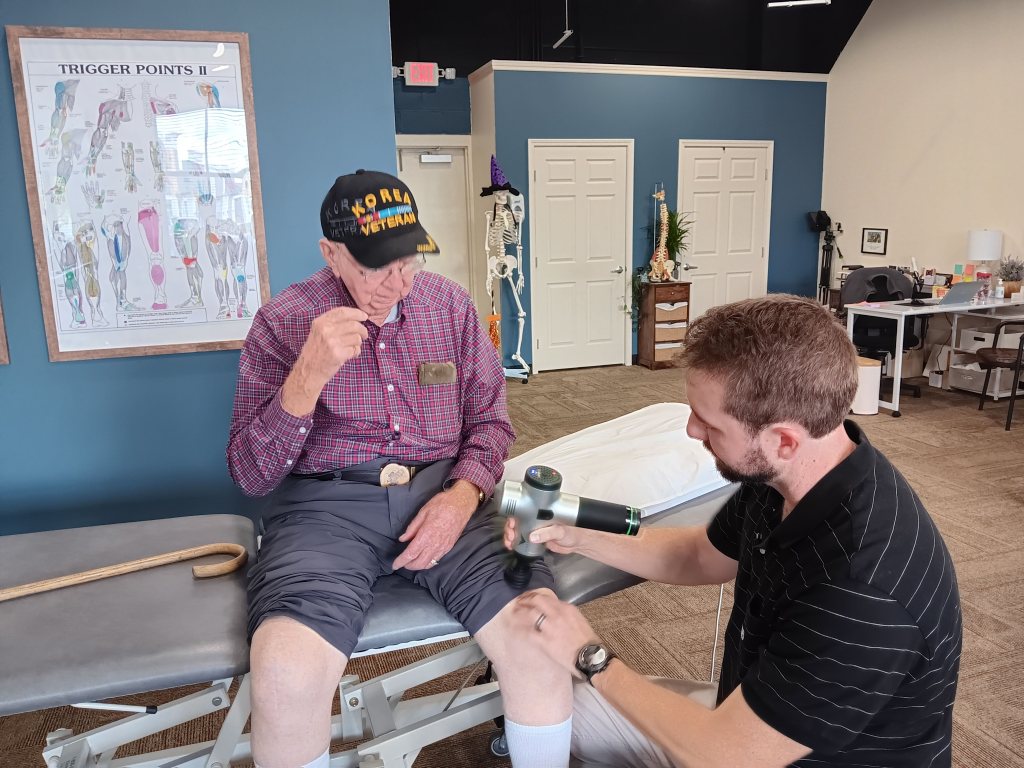
- Pain Management: If you’re experiencing chronic pain, physical therapy can provide techniques and exercises to alleviate discomfort and improve your quality of life.
- Rehabilitation After Surgery: Many seniors require surgical procedures, such as joint replacements. Physical therapy is crucial in aiding post-operative recovery, restoring range of motion, and enhancing functionality.
- Preventing Decline: Physical therapists can design personalized exercise programs to prevent physical decline and maintain independence as you age.
- Fall Prevention: Seniors are at an increased risk of falls, which can lead to severe injuries. Physical therapy can focus on balance and coordination to reduce fall risk.
- Chronic Condition Management: If you have chronic conditions like arthritis or diabetes, physical therapy can complement your treatment plan, helping manage symptoms and improve your overall health.
Accessing Physical Therapy Services
- Consult Your Physician: Start by consulting your primary care physician or specialist about your need for physical therapy. They will assess your condition and, if necessary, provide a referral.
- Select an In-Network Provider: Choose a physical therapy office that is in-network with Medicare. This ensures that your treatment will be covered by your insurance.
- Schedule an Appointment: Contact the physical therapy office and schedule an initial evaluation. During this session, the therapist will assess your condition, discuss your goals, and develop a personalized treatment plan.
- Treatment Sessions: Depending on your condition and treatment plan, you will attend regular physical therapy sessions. These sessions may involve exercises, manual therapy, and education on managing your condition.
- Monitor Progress: Your therapist will monitor your progress throughout the treatment and make necessary adjustments to your plan to ensure optimal results.
- Communication: Maintain open communication with your physical therapist and your referring physician. If you have any concerns or questions, don’t hesitate to ask.
Conclusion
Physical therapy is a valuable resource for Medicare patients, offering numerous benefits to improve mobility, manage pain, and enhance overall well-being. By understanding Medicare coverage for physical therapy, selecting an in-network provider, and actively participating in your treatment plan, you can maximize the benefits of this essential healthcare service.
Remember, the goal of physical therapy is to help you live a healthier, more active life as you age. It’s an investment in your future well-being, and Medicare is there to support you in your journey towards better health. If you or a loved one are in need of physical therapy services, don’t hesitate to explore your options and take the first step towards a more vibrant, pain-free life. Your golden years should be filled with joy and vitality, and physical therapy can play a significant role in achieving that goal.
At Salisbury Physical we make the process easy to make an appointment and walk you through the process. Get relief from pain, prevent falls, recover after surgery or knee replacement by clicking here:



 Pain relief, Injury and TMJ Treatment : Physical Therapy Dallas, Acworth GA
Leave a comment